Signs of a Water Leak in Your Dubai Home – How to Detect & Act
By Fixer Guy Dubai · Last reviewed August 2026 · Al Quoz, Dubai
Quick answer: The most reliable early signs of a water leak in a Dubai property are yellow-brown ceiling stains, paint peeling near floor junctions, hollow bathroom tiles, a persistent musty smell, and unexplained mould patches on walls. In apartments, these signs often appear in the unit below the actual leak source — not directly above it.
1. Yellow or Brown Stains on Ceilings
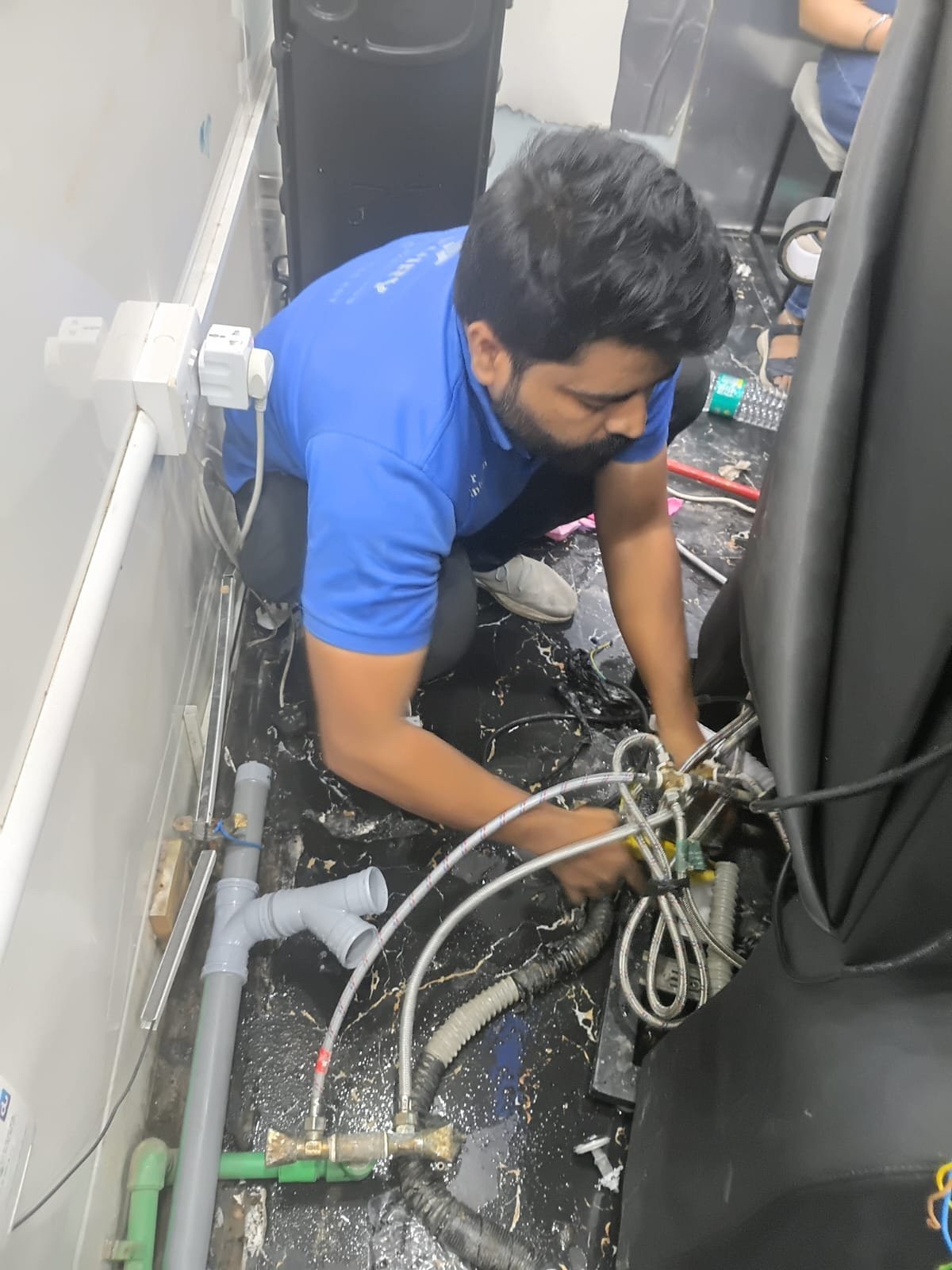
Discolouration on a ceiling — typically a yellow halo that gradually darkens to brown — is one of the clearest signs of an active slab leak above. In Dubai apartments, this almost always traces to a bathroom, kitchen, or balcony on the floor above. The stain may appear metres away from the actual entry point because water travels horizontally through the slab before descending. Do not wait for it to dry on its own — the source will still be active and the concrete damage continues.
2. Paint Bubbling or Peeling at Floor Level
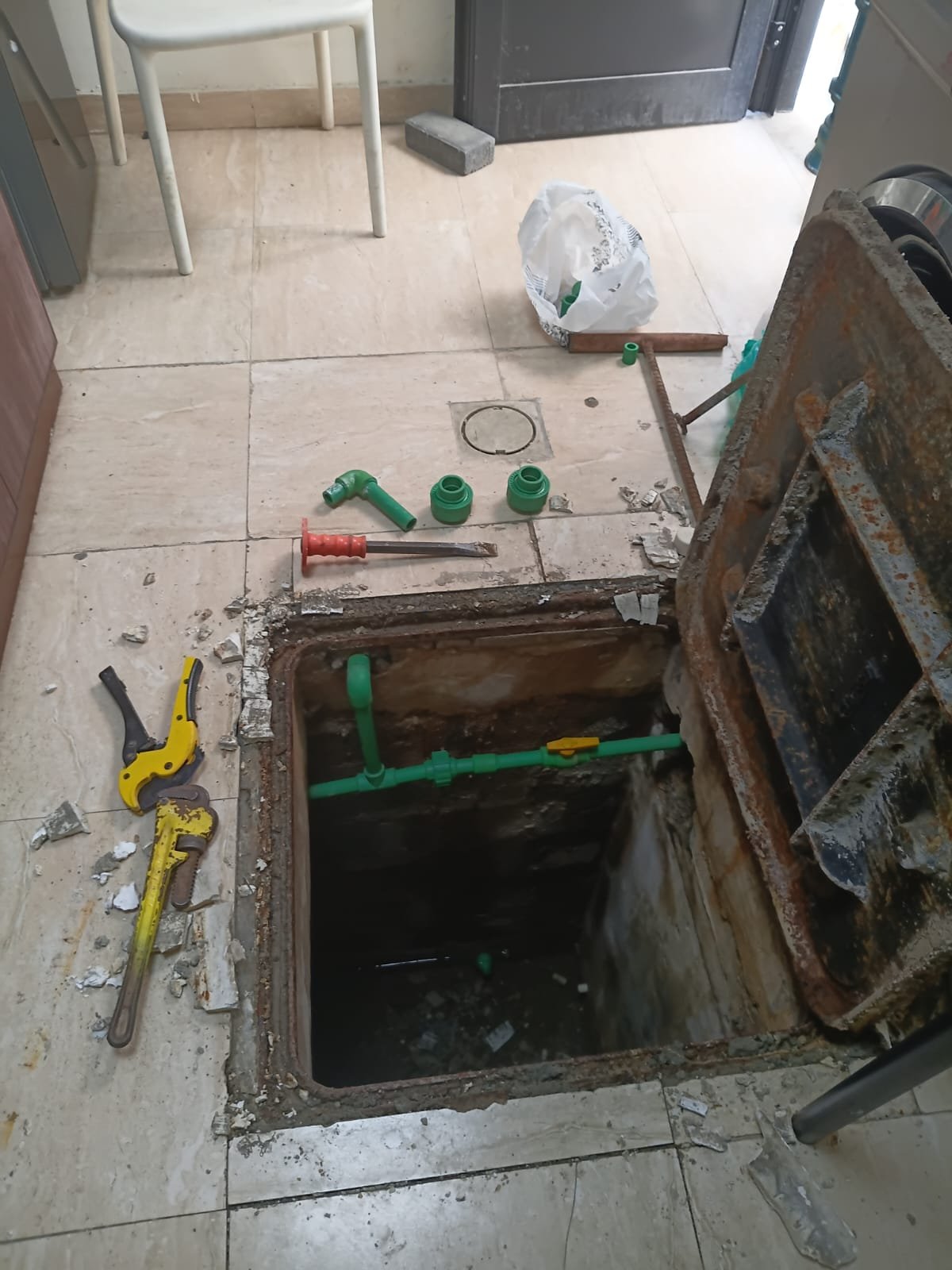
Paint that bubbles, flakes, or peels at the junction between a wall and floor — particularly in bathrooms, kitchens, or near external walls — indicates moisture rising from below or penetrating from outside. In Dubai's high-rise apartments, this is typically slab moisture migrating upward through screed. In villas, it can also indicate rising damp from the ground or garden irrigation seeping into perimeter walls.
3. Hollow or Loose Bathroom Tiles
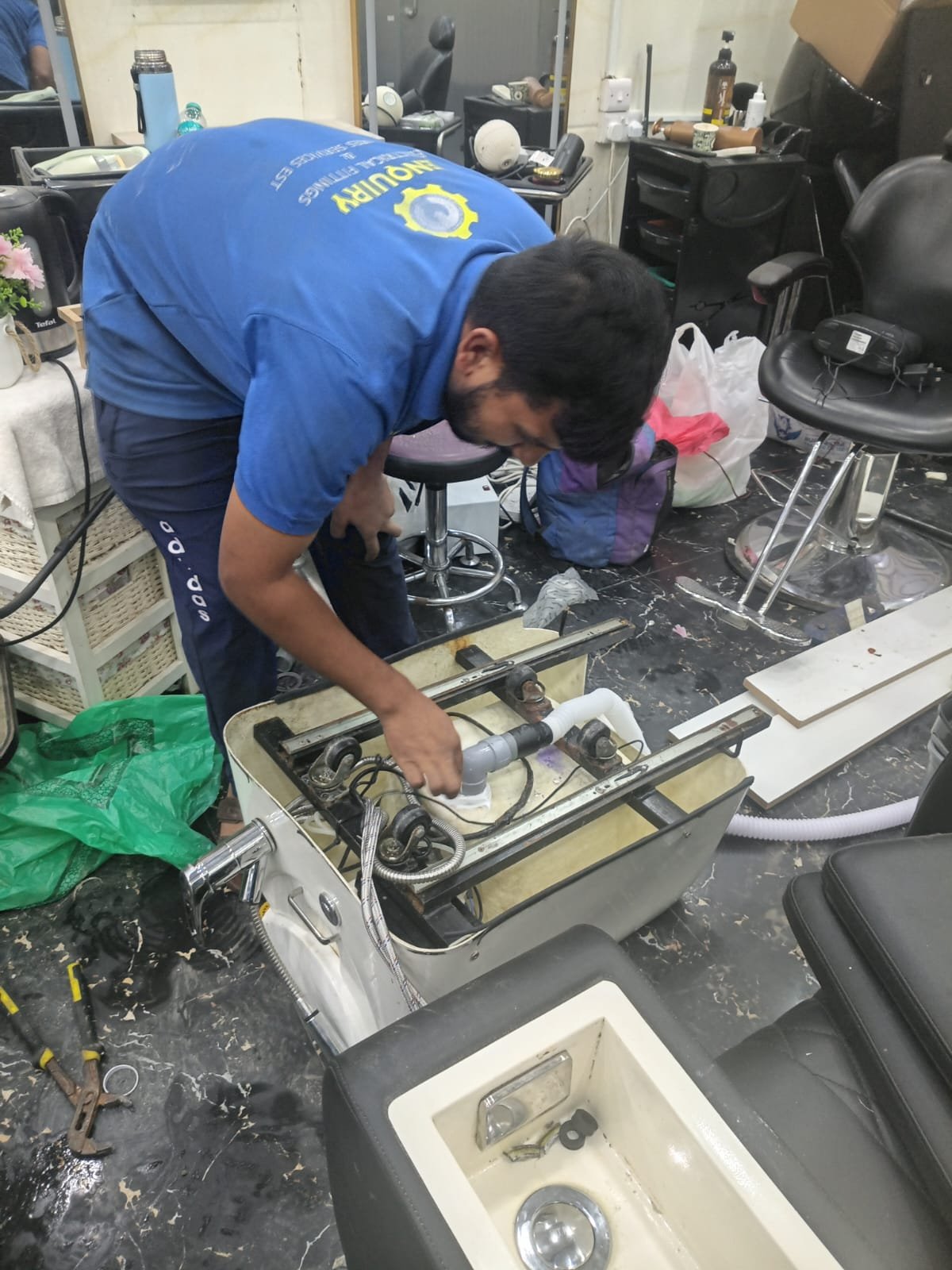
Tap your bathroom floor tiles. A hollow sound — rather than a solid knock — means the tile has separated from its adhesive bed. This almost always happens because water has penetrated behind the tile and broken the bond. Once tiles are hollow, the waterproofing layer beneath them is compromised and water is actively moving through the slab every time the shower runs. This is one of the most common precursors to inter-floor leaks in Dubai apartments.
4. Persistent Musty Smell Without Visible Mould
A persistent damp or musty smell that cannot be attributed to a drain or air conditioning is a reliable indicator of moisture trapped inside a wall cavity or below a floor screed. In Dubai apartments, this is frequently caused by a slow bathroom slab leak that has been quietly growing for months before any visible staining appears.
5. Mould Patches on Walls or Ceilings
Black or green mould patches on walls — especially in corners near floor level or on bathroom ceilings — indicate sustained moisture. In Dubai's climate, mould growth requires a persistent water source, not just condensation. If cleaning the mould with a surface treatment does not prevent it from returning within weeks, there is an underlying waterproofing failure that needs to be addressed at source.
6. Water Pooling on Balconies After Rain
Dubai's seasonal rain events are short but intense. If your balcony accumulates standing water that does not drain within an hour, the drain is either blocked or the floor slope is incorrect. Standing water eventually forces its way through any weakness in the balcony membrane and into the slab, appearing as a damp patch or stain on the ceiling of the unit below. This is one of the most common causes of inter-floor disputes in JVC and Dubai Marina tower buildings.
7. Hairline Cracks in External Walls
Fine cracks in external render or bathroom wall tiles may look cosmetic but are active moisture entry points. In Dubai's climate, the thermal cycling between cool air conditioning interiors and hot exteriors causes materials to expand and contract repeatedly, widening hairline cracks over time. Once wide enough, they allow water ingress during rain or from condensation accumulation.
8. White Salt Deposits (Efflorescence) on Walls
White powdery deposits on walls or floor tiles — called efflorescence — are caused by mineral salts in the concrete being carried to the surface by moisture. This is a clear indicator of water movement through the structure. Efflorescence on basement walls or lower sections of external walls in villas indicates active groundwater or irrigation seepage.
9. Sudden Increase in Water Consumption
If your DEWA water consumption increases noticeably without a change in usage habits, a concealed pipe leak is likely. Pipe leaks within slabs or walls do not always produce visible surface moisture immediately — the water seeps slowly through the surrounding concrete before appearing. Checking your meter at night when no water is in use can confirm whether consumption is occurring.
10. Ceiling Dampness After Using the Shower
If a ceiling stain appears or worsens in the hours following shower use in the apartment above, the connection is almost certainly a failed bathroom waterproofing membrane. The relationship between shower use and ceiling dampness is the most reliable diagnostic indicator of a bathroom slab leak — and the trigger that most Dubai residents use to first contact a waterproofing contractor.
What to Do When You Spot These Signs
- 1.Document the stain with a photo and note whether it worsens after rain or shower use above.
- 2.Do not treat the symptom (painting over the stain) — address the source.
- 3.Request access to the wet area directly above the stain to inspect the bathroom or balcony.
- 4.Contact a waterproofing specialist for a moisture-meter inspection before committing to any repair scope.